Baby Sleep: Solutions to Improve Quality
Do you feel like your little one just won't rest? When a baby doesn't sleep and wakes up 10 times a night , the family routine becomes a real challenge. It's common to find exhausted parents trying to figure out how to regain balance at home.
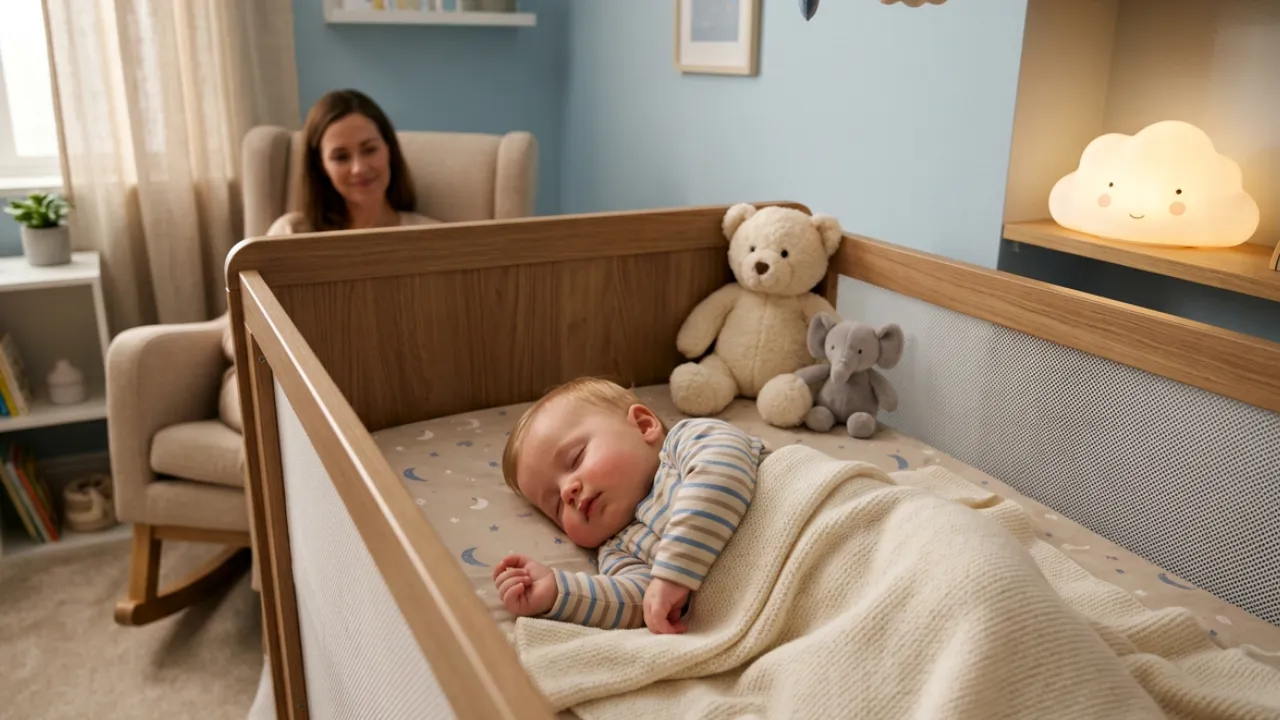
Improve Baby's Sleep
Learn how to improve your baby's sleep quality.
IMPROVE BABY'S SLEEPYou will remain on this site.
Lack of rest directly impacts everyone's well-being. Therefore, seeking better sleep quality becomes an essential priority for the physical and emotional health of the family.
In this guide, we present solutions for sleep based on scientific evidence. Our goal is to help you transform restless nights into periods of restorative rest, gradually and safely.
Main points covered
- Identifying common causes of frequent awakenings.
- The impact of rest on family health.
- Practical strategies for establishing healthy routines.
- Tips for creating an environment conducive to rest.
- How to implement changes gradually and safely.
Understanding Baby Sleep Challenges
Discovering why your baby isn't sleeping is the first step towards peace at home. Parental exhaustion stems from a lack of knowledge about infant sleep. Understanding how your child's sleep patterns work reduces the despair of late-night sleepless nights.
Infant development affects nighttime sleep. In the first few months, a baby's brain grows significantly. These changes can cause sleep regression, altering the sleep pattern.
It's common for babies to wake up many times during the night, leaving parents exhausted. Knowing whether it's a sleep regression or a specific need helps to stay calm. Observing patterns helps to know when it's time to change the routine.
To know when your baby's sleep needs attention, observe the following signs:
- Excessive difficulty falling asleep even with clear signs of tiredness.
- Persistent crying when placed in the crib, indicating discomfort or lack of positive association.
- Frequent awakenings that are not related to growth spurts or illness.
- Extreme dependence on external assistance to fall back asleep on all occasions.
Every child has a unique rhythm. A baby's sleep is not linear and varies as they grow. Maintaining patience and seeking knowledge is the best strategy for exhausted parents.
Practical Strategies for an Effective Sleep Routine

Did you know that small adjustments to your nighttime routine can change your family's nights? Creating a predictable routine is the best way to organize sleep. This helps your baby sleep better.
Good sleep hygiene is the first step to a good night's rest. Creating a calm environment helps the baby relax. These tips improve sleep habits, helping the baby fall asleep more easily.
To succeed, follow these daily practices:
- Maintain fixed schedules for naps and the start of the night.
- Reduce the light and noise in the room before bedtime.
- Use gentle techniques, such as a warm bath or a relaxing massage, to prepare the baby's body.
- Avoid intense visual stimuli, such as screens or very noisy toys, shortly before bedtime.
A well-defined sleep routine brings many benefits. Over time, naps and nighttime sleep improve. This makes the baby feel safe and secure at the end of the day.
Be patient during this change. Every child has their own pace. But consistency in the nighttime routine is essential for peaceful nights.
By clicking the button you will remain on this site.
Gentle Techniques for Calming and Soothing
Did you know that small changes can transform your child's sleep? Learning gentle techniques helps reduce stress. They create a peaceful environment in the bedroom.
These techniques improve the baby's comfort . They respect the child's natural rhythm. This makes the room a safe and welcoming place.
Many families want to avoid excessive crying at night. These gentle techniques strengthen the bond between parents and children. They make bedtime more pleasant.
When you understand when your baby is tired, you can help before they get stressed. Here are some strategies to make nights more peaceful:
| Cooperation | Main goal | Effort Level |
|---|---|---|
| white noise | Block out external sounds | Low |
| Swaddle | To evoke a womb-like sensation. | Medium |
| Rocking with a gentle sway | Promote physical relaxation | Medium |
| Relaxing massage | Reduce muscle tension | High |
Using these gentle techniques gives you more control over nighttime awakenings. Each child has their own time to adapt. Following these bedtime tips helps create a routine.
Practicing rocking your baby gently creates loving memories. Over time, these actions become natural. This helps the whole family sleep better.
Best Tools and Accessories for Baby's Sleep
To create the perfect sleep environment, choosing the best baby accessories is essential. These items make the room a peaceful place. They are fundamental for the baby's rest and growth.
Overview
Crib reducers are cushions that provide a sense of security. They help keep the baby safe and comfortable in large cribs.
Pros and cons
A major benefit is the sense of security they provide. But it's important to use them carefully to avoid risks to the baby's breathing.
Overview
White noise machines create a steady sound, like rain. They are great for calming babies and creating a peaceful sleep environment.
Pros and cons
A major advantage is its ability to soothe crying. However, overuse can cause the baby to become dependent on the sound to fall asleep.
Overview
Video baby monitors allow you to see your baby from a distance. They give parents peace of mind, allowing them to check on their baby without having to enter the room.
Pros and cons
A major benefit is the constant monitoring. However, they can be expensive and require internet access to function properly.
| Hardware | Main Function | Key Benefit |
|---|---|---|
| Crib Reducer | Space delimitation | Feeling of welcome |
| white noise | Masking external sounds | Continuous baby sleep |
| Baby Monitor | Visual monitoring | Parental safety |
Conclusion
The journey to peaceful nights begins with small daily steps. Consistency in the sleep routine helps the baby's body understand when it's time to sleep. This makes falling asleep much easier.
Improving the quality of children's sleep brings immediate benefits to your child. It helps in their development. And it also gives you more energy to face the challenges of everyday life.
Every child grows in a unique way. It's important to adjust strategies as your child grows. This is essential for long-term success.
Put these practices into action and see the positive changes at home. Share your experiences with other caregivers. Or seek professional help if needed. Restful rest is a right for the whole family. And you're on the right track to achieving it.
By clicking the button you will remain on this site.
FAQ
Why does my baby wake up so many times during the night, and how can I help?
Babies often wake up many times, up to 10 times a night. This can be due to developmental leaps or a lack of a sleep routine. To help, observe your child's sleep patterns.
Make sure he doesn't get too tired. Establishing sleep routines and a comfortable environment are important steps. This helps reduce nighttime awakenings.
What are sleep regressions and how can you identify them?
Regressions are periods when a baby's sleep changes due to neurological or physical development. Changes, such as difficulty falling asleep, are noticeable around 4 to 8 months of age. Identifying these patterns helps determine if it's a passing phase or a habitual problem.
Staying calm and sticking to your nightly routine is essential. This helps maintain consistency.
How does good sleep hygiene contribute to more restful nights?
Sleep hygiene involves preparing the environment and behavior for sleep. A dark, quiet room with an appropriate temperature is ideal for melatonin. A sleep ritual, such as a relaxing bath and dimming the lights, signals bedtime.
This facilitates the transition to deep sleep.
Are there gentle techniques for rocking a baby to sleep that don't involve letting the baby cry?
Yes, there are gentle techniques that focus on nurturing and strengthening the emotional bond. Lullaby methods that involve physical contact and a soft voice are effective. They offer emotional security and help the baby calm down.
These techniques respect the child's natural rhythm. They are powerful tools for dealing with nighttime sleepiness in a calm and effective way.
What accessories and tools really help babies sleep better?
Accessories like Fisher-Price white noise machines or Philips Avent humidifiers are useful. White noise provides comfort, reminiscent of the uterine environment. Suitable sleeping bags or crib reducers also offer physical security.
It's important to weigh the pros and cons of each item to find what's best for your child.
How long does it take for a new sleep routine to show practical results?
Adjusting a child's sleep schedule takes time and depends on consistency. Structured changes and predictability usually bring improvements within 1 to 2 weeks. Patience is essential.
Every small adjustment to sleep hygiene and bedtime techniques helps. This way, your family can regain quality of life and the rest they need.