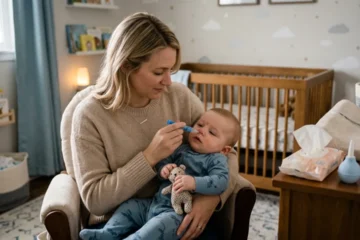
Fever in Babies: Providing First Aid
Seeing a rise in your young child's temperature is worrying. Knowing the early signs helps you stay calm, so you know how to act carefully.
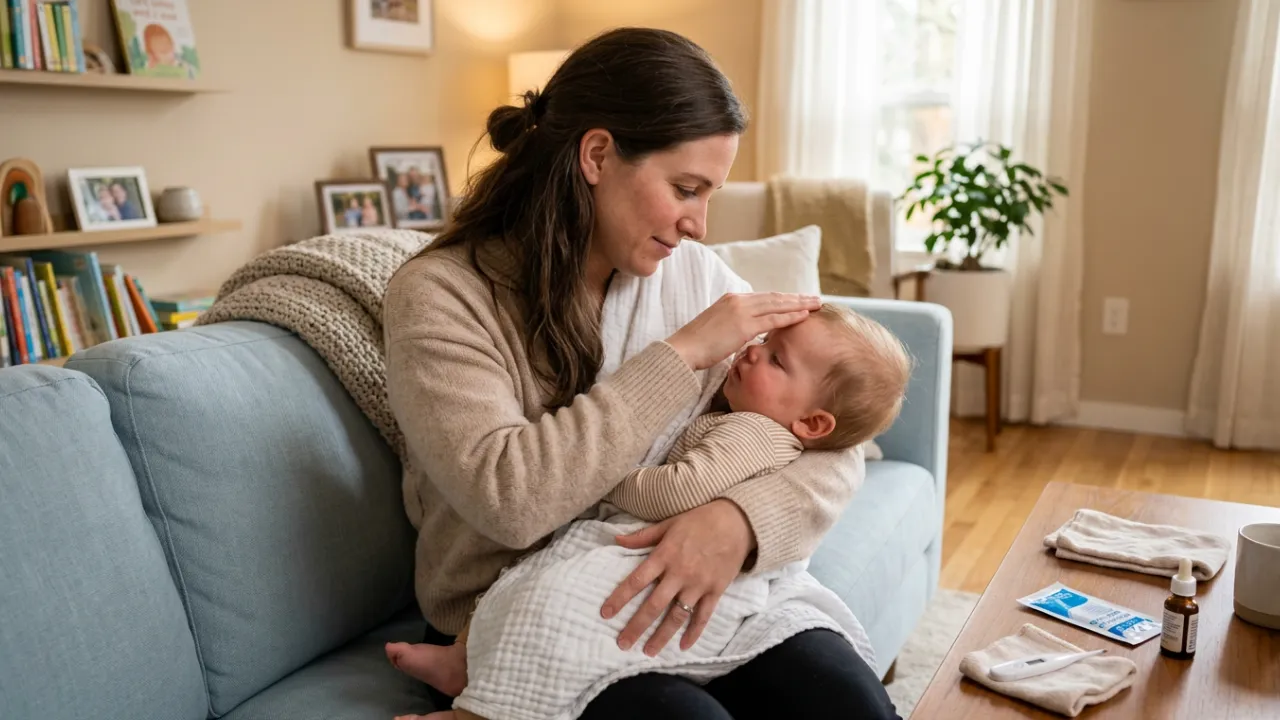
Fever in Babies
Learn how to deal with your baby's fever!
SEE MORE HEREYou will remain on this site.
This guide teaches you how to administer first aid correctly. We want you to know when it's time to stay home and seek help.
Knowing when to call the pediatrician is essential. Learn to recognize the signs that your child needs medical attention quickly.
Main Learning
- Early identification of thermal changes.
- Safe home care techniques.
- Clear signs to seek medical help.
- The importance of communicating with the specialist.
- How to stay calm during the process.
Understanding fever in babies and why it occurs.
Fever is not a disease, but a way for your child's body to defend itself. When a fever occurs in babies , it's a sign that the body is fighting off invaders, such as viruses or bacteria. This effort is a natural response from the still-developing immune system.
Body temperature changes throughout the day. It may be lower in the morning and slightly higher in the afternoon. Knowing this helps to avoid worrying about slight variations, which are normal.
To measure temperature correctly, it's essential to use the thermometer correctly. The proper technique ensures accurate data for assessing the baby's health. See the acceptable temperature ranges:
- Normal temperature: between 36°C and 37,2°C.
- Feverish state: between 37,3°C and 37,7°C.
- Confirmed fever: above 37,8°C.
There are various types of thermometers on the market. Choosing the right one helps monitor the temperature without disturbing the baby.
| Thermometer Type | Place of Use | Precision |
|---|---|---|
| Flexible cutting-edge digital | Axillary or rectal | High |
| Infrared (forehead) | Head | Media |
| Digital earphone | Ear canal | High |
After use, always clean your thermometer to maintain your baby's safety and hygiene. Staying calm and following the instructions for use is the best way to care for your child.
Early symptoms you should watch out for
When the temperature rises, the baby's body sends clear signals. It is essential to notice these signals in order to care for your child.
In addition to fever, watch for subtle changes in the baby's behavior. Chills, excessive irritability, and changes in sleep patterns are important signs.
A baby's behavior says a lot about their overall health. A baby who plays and interacts, even with a fever, is doing better than one who is very quiet.

The table below helps organize what to observe on a daily basis:
| Symptom | What to watch out for | Level of Attention |
|---|---|---|
| Chills | Slight tremors or teeth chattering | Moderate |
| Irritability | Inconsolable crying or agitation | Moderate |
| They are | Difficulty sleeping or lethargy | High |
| Appetite | Refusal to eat or lack of thirst | High |
Paying attention to these details helps you act quickly and effectively. By recognizing the early symptoms, you can provide the necessary support and remain calm during recovery.
How to deal with panic and stay calm.
Feeling scared when your baby has a fever for the first time is normal. Panic arises because you don't know if it's something serious or a common reaction. But staying calm is essential for your child's well-being.
When you take a deep breath and control your anxiety, you make more rational decisions. This helps you observe your baby clearly. Focusing on details is crucial to knowing if the baby is simply uncomfortable or if there are warning signs, such as dehydration.
To cope with stress, follow some simple strategies:
- Take a deep breath before taking any immediate action.
- Monitor the baby's hydration, checking if they are drinking fluids and if their diapers remain wet.
- Avoid excessive information from unreliable websites, as this increases anxiety.
- Remember that keep calm It helps to convey a sense of security to the baby, which aids in recovery.
Pay attention to signs of lethargy or excessive prostration, which may indicate a more serious condition. By monitoring the child's dehydration and activity level, you will have valuable information to share with the pediatrician, should professional help be needed.
By clicking the button you will remain on this site.
Practical guide to first aid at home.
If your child has a fever, it's crucial to know what to do. The first step is to use a thermometer to measure the temperature. This helps you make decisions based on actual data, avoiding guesswork.
To relieve discomfort, warm compresses are very effective. Use cloths moistened with cool water on the baby's forehead or armpits. But do not use ice water or alcohol, as this can worsen the situation.
Keeping your baby well hydrated is essential. Offer breast milk, formula, or water frequently. This helps prevent dehydration and regulate body temperature.
Following these first aid tips will help you care for your child at home. Observe the baby's behavior and keep the environment cool. The correct use of a thermometer , warm compresses , and hydration are fundamental to their care.
| Action | Frequency | Objective |
|---|---|---|
| Measurement with a thermometer | Every 4 hours | Monitor the evolution |
| Liquids offered | Every 1 hour | Ensure hydration |
| Warm compresses | As necessary | To provide relief |
| Rest in a cool place. | During all day long | Reduce the effort |
When a fever becomes a medical emergency.
It's crucial to know when a fever requires medical attention for your baby's well-being. Most fevers aren't serious, but some cases are emergencies. Knowing how to identify these cases helps you act quickly and correctly.
A warning sign is when the baby's behavior changes drastically. If he becomes very quiet, doesn't want to wake up, or cries excessively, it's time to go to the hospital. This could indicate that the body is fighting a serious infection.
Febrile seizures are also a great fear for parents. During these episodes, the baby may become rigid, lose consciousness, or make involuntary movements. Although it seems very frightening, these seizures usually don't last long. But it's always important for a doctor to see the baby right away.
Another important sign is dehydration. If the baby doesn't urinate for several hours, doesn't cry with tears, or seems very lethargic, he or she needs water immediately. Severe dehydration cannot be treated at home.
Here's a quick guide to knowing when to seek medical help:
| Symptom | What to watch out for | Recommended Action |
|---|---|---|
| Febrile seizure | Stiffness or involuntary movements | Seek emergency medical help. |
| Dehydration | Diaper dry for more than 6 hours | Seek emergency medical attention. |
| warning signs | Extreme difficulty breathing | Immediate hospital care |
| State of mind | Lethargy or mental confusion | Urgent medical evaluation |
It's essential to act quickly when you see warning signs. Trust your instincts as a caregiver. If something seems wrong, seek medical help without hesitation. Your child's safety is always the priority.
The right time to call the pediatrician.
Knowing when to seek medical help is essential for your baby's health. Identifying when a fever requires special attention avoids unnecessary visits to the emergency room. This way, your child receives the right care at the right time.
To communicate with the pediatrician, it's important to keep a detailed record. Note the times of temperature measurements and the duration of fever episodes. Also note any other symptoms, such as excessive irritability or lack of appetite.
There are specific criteria for knowing when an immediate medical consultation is necessary. For example, babies under three months old should be seen by a professional if they develop a fever.
Trusting expert guidance is the best way to ensure your child's safety. Use the table below as a quick guide to know when to seek professional attention:
| Criterion | Recommended Action | Level of Urgency |
|---|---|---|
| Baby under 3 months old | Call the doctor immediately. | High |
| Persistent fever lasting more than 48 hours. | Schedule a medical appointment | Media |
| Difficulty breathing or prostration | Go to the emergency room. | Very tall |
| Low-grade fever without other symptoms. | Monitor at home | Low |
Each child reacts differently to infections. If you think something is wrong with your child, seek professional help. This way, you can clarify your doubts.
Myths and truths about fever treatment
Discovering the myths about fever is essential for better caring for your baby. Many beliefs are passed down from generation to generation, but not all of them are true. Knowing the truth helps avoid common mistakes at home.
A common mistake is giving medication without seeking guidance. Many believe that any fever requires immediate medication. But fever is a natural bodily response. In many cases, what matters is the baby's comfort, not just the temperature.
Another important point is the use of home remedies. Practices such as cold baths or alcohol on the skin are dangerous. They can cause thermal shock or poisoning, worsening the child's health.
To clarify any doubts, we have created a comparative table about children's temperature:
| Common Practice | Status | Recommendation |
|---|---|---|
| Cold bath to bring down fever | Mito | Use lukewarm water for comfort. |
| Over-the-counter medication | Mito | Always follow the pediatrician's dosage instructions. |
| Keep the baby hydrated. | Truth | Offer fluids frequently. |
| Overdressing the baby | Mito | Wear light and cool clothing. |
Following scientific guidelines protects your child from unnecessary interventions. Close observation and medical support are essential. Stay calm and prioritize your baby's well-being.
Conclusion
Caring for a child is a daily challenge. It tests your strength and resilience. Dealing with fever in babies requires attention and comfort.
Your intuition is very important for your baby's health. When you notice changes, create a calm environment. This greatly helps in your baby's recovery.
Having a pediatrician you trust is essential. It provides security for your baby's growth. Never be afraid to seek help when you need it.
Continue following the experts' advice. Your dedication is crucial for the baby's well-being. This ensures healthy and happy development.
By clicking the button you will remain on this site.
FAQ
What does fever mean for my baby's health?
Fever is the body's response to fight infection. It shows that your child's immune system is working to protect them.
How can I identify the early symptoms of a fever besides a high temperature?
Look beyond the high temperature. Signs like irritability, chills, and changes in sleep patterns are important. The baby's behavior is also a great indicator.
What is the most accurate way to use a thermometer at home?
Use digital thermometers from reputable brands such as G-Tech or Omron. Make sure your armpit is dry and the device is properly positioned. This will help you avoid inaccurate readings.
How should I act to remain calm and avoid panic during a feverish episode?
Stay calm by observing objective signs, such as the baby's hydration and interaction. Breathing deeply and following a first aid guide will help you maintain control.
What first aid measures can I safely apply at home?
Offer relief with warm compresses and maintain constant hydration. This helps to lower the temperature safely.
When does a fever become considered an urgent medical emergency?
Seek emergency medical attention if the baby has febrile seizures, lethargy, red spots, or dehydration. Signs such as a sunken fontanelle or lack of tears are alarming.
When is the exact right time to call the pediatrician?
Call the pediatrician if the baby is under three months old, has a persistent fever for 24 hours, or is very lethargic. A record of temperature measurements helps with medical guidance.
Are there common myths about fever treatment that I should avoid?
Avoid using cold baths or alcohol on the skin. These methods can cause thermal shock or intoxication. Treatment should be evidence-based, prioritizing comfort and hydration.