Tips on Weaning and Feeding Your Baby
Reaching six months is an important milestone. During this period, the introduction of solid foods is essential. It allows your child to safely experience new flavors and textures.
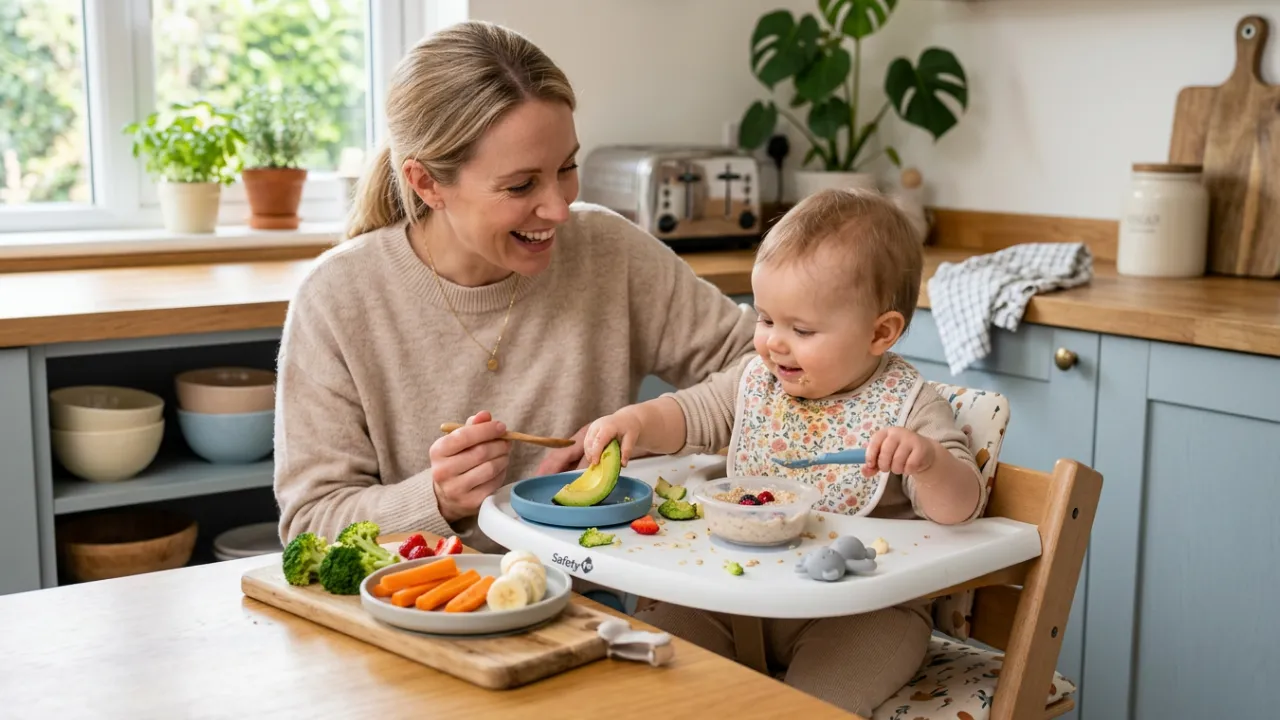
Weaning and Feeding
Learn all about weaning and feeding in this guide!
SEE MORE HEREYou will remain on this site.
It's crucial to respect the time it takes for the digestive system to develop. By observing the signs that your child is ready, you help create healthy habits. These habits are fundamental for the future.
This phase is much more than just feeding. It's a crucial time for growth. Introducing solid foods is important for the development of taste.
Understanding infant feeding and weaning is essential to guiding this process with confidence and patience.
Key learning points
- The transition to solids should ideally begin at six months.
- Respecting the digestive rhythm avoids unnecessary discomfort.
- Exploring new flavors helps to develop a varied palate.
- Signs of readiness indicate that the child is ready to chew.
- Parents' patience is essential during this discovery process.
- Healthy habits formed now bring long-term benefits.
The Essential Guide to Feeding and Weaning Your Baby
The transition to solid food is an exciting milestone in your baby's life. This process should be done patiently. Respect your child's natural pace of development.
Many parents wonder when to start introducing solid foods. The ideal time is usually around six months of age. At this time, the baby shows clear signs of readiness. See if he can hold his head up and shows interest in the foods you are eating.
To introduce solid foods effectively, focus on offering varied textures and natural flavors. Start with small portions of cooked and mashed fruits or vegetables. This approach helps the child's palate gradually adapt to new sensory experiences.
Gentle weaning is a strategy that prioritizes the baby's emotional comfort. Instead of abruptly removing breast milk or formula, replace only one feeding at a time. This allows the digestive system to adjust while the emotional bond remains strong.
Below are the main signs that indicate your baby is ready for this new phase:
| Readiness Signal | Description of the Behavior | Importance for the Phase |
|---|---|---|
| Cervical Control | Keep your head steady without support. | Safety when swallowing |
| Sitting with Support | Can you sit upright? | It facilitates swallowing. |
| Loss of Reflex | Don't push the spoon with your tongue. | Food acceptance |
| Curiosity | Watch your parents eat. | Interest in the habit |
Following a few tips for introducing solid foods can transform this moment into something enjoyable. Avoid distractions like screens during meals and maintain a calm environment. Remember that this guide to infant feeding serves as a support. Each child has their own unique learning pace.
By clicking the button you will remain on this site.
Safety First: How to Avoid Choking and Identify Allergies

Solid food starts with safety. Infant food safety requires attention to what and how you serve food. It's crucial to be mindful of food preparation and presentation.
To avoid choking , cut food into pieces that are easy to hold. They should be soft so they can be mashed with the gums.
- Always seat the baby in an upright position during mealtimes.
- Avoid round and hard foods, such as whole grapes or chestnuts.
- Maintain constant supervision, never leaving the baby to eat alone.
- Cook vegetables until they are tender, making them easier to chew.
Knowing how to identify allergies is essential. A baby's immune system is still developing. They may react to certain ingredients.
| Symptom | What to watch out for | Recommended Action |
|---|---|---|
| Skin | Rashes or redness | Stop feeding |
| Digestion | Vomiting or diarrhea | Consult your pediatrician. |
| Respiratory | Wheezing or shortness of breath | Seek medical help |
How to test new foods
Testing new foods should be done carefully. Introduce only one new item at a time. Keep it on the menu for two or three days.
This strategy helps monitor food allergies in babies . If there are adverse reactions, you will know what caused the problem. This facilitates medical guidance.
Keeping a food diary is very helpful. Record new experiences and observed reactions. This practice brings peace of mind. It ensures that each new discovery is safe and enjoyable for the family.
Month-by-Month Calendar: The Journey of Introducing Solid Foods
For a smooth introduction to solid foods, follow this month-by-month plan. The transition from breast milk or formula to solid foods is an important phase. With planning, you can provide the essential nutrients for your baby's growth.
Understanding how to introduce solid foods involves observing the evolution of textures and the acceptance of new flavors. The goal is to present a variety of food groups, respecting the child's pace. This food introduction calendar is a practical guide to organizing your daily routine.
Below, we present a suggested progression for the first few months of gastronomic exploration:
| Age | Suggested Texture | Nutritional Focus |
|---|---|---|
| 6 months | Mashed with a fork | Baby's first foods (fruits and vegetables) |
| 7-8 months | Small, soft pieces | Introduction of proteins and grains |
| 9-12 months | Chopped family food | Consolidation of a varied menu |
When planning your meal plan for introducing solid foods , include different colors and flavors in each meal. Variety develops your baby's palate from an early age. Avoid artificial seasonings and use natural herbs to enhance the taste of the food.
Introducing solid foods should be a time of pleasure and connection. Pay attention to satiety signals and don't force feeding. The most important thing is the quality of what is offered and patience during the learning process of chewing.
- Offer water throughout the day to maintain hydration.
- Respect the adaptation time for each new ingredient.
- Maintain a calm environment during meals.
30 Nutritious and Safe Recipes for Your Baby
We've selected 30 recipes for babies that will make cooking easier. They are designed to meet the needs of each stage of growth. Each dish is made to be delicious and full of essential vitamins.
A good diet for babies should be varied and colorful. Here, you'll find suggestions that are safe and delicious. There are options ranging from smooth purees to strip foods for the BLW (Baby-Led Weaning) method.
Pumpkin and carrot puree
This purée is full of beta-carotene. Steam the vegetables until tender. Then, mash them well with a fork to maintain the ideal texture.
Mashed banana with avocado
This mixture is rich in healthy fats and potassium. To make it, simply mash the fresh fruit until creamy.
Spinach omelet strips
Eggs are a complete food, and spinach provides iron. Cut the omelet into thin strips so your child can easily press them together.
Oatmeal pancake with apple
Mix rolled oats, egg, and grated apple. This recipe is great for introducing different textures and providing energy for playtime.
Quinoa risotto with broccoli
Quinoa is a superfood packed with protein. Cook it with finely chopped broccoli for a nutritious and easy-to-digest dish.
Lentil soup with beetroot
Lentils are rich in fiber, which is good for the gut. Beetroot adds a slightly sweet flavor that kids love.
To help with organization, we've created a table with different types of preparations for a baby's recipe routine:
| Preparation Type | Nutritional Advantage | Focus on Development |
|---|---|---|
| Purees | High vitamin density | Initial adaptation to the palate |
| Strips (BLW) | Stimulating chewing | fine motor coordination |
| Crushed | Intermediate texture | Safe food transition |
Healthy eating for babies is a process of discovery. Explore new flavors every day. Observe your child's preferences patiently.
Conclusion
Introducing solid foods is a crucial time for your child. This period requires patience, observation, and lots of love.
By following these safety tips and healthy recipes, you're paving the way for your baby's health. Every child learns and accepts new flavors differently.
Respect when your baby says they don't want to eat anymore. It's also important to give them time to get used to new flavors. The support of pediatricians and nutritionists is very helpful on this journey.
Products from brands like Nestlé or Danone can be helpful, but don't forget the importance of fresh food. Stay calm and enjoy the new experiences at the table.
Your dedication now directly influences your child's health. Share your experiences with other parents. Keep learning to make this journey even more special.
By clicking the button you will remain on this site.
FAQ
What is the recommended age to start introducing solid foods?
Starting at 6 months is the right time to begin. At this age, your baby can already digest foods other than breast milk. This helps develop their palate and creates healthy habits.
How can I tell if my child is truly ready to eat?
Check if the baby can sit up on their own and shows interest in food. Also, observe if they are not pushing food out of their mouth. Respecting this timing is essential for safe weaning.
How should I introduce new foods to identify food allergies?
Offer one new food at a time, for two or three days. This helps to see if there are any reactions, such as rashes or discomfort. This way, you can quickly identify what might be causing the allergy.
What strategies can I use to avoid choking while eating?
Use textures appropriate for each age. Initially, offer smooth purees. Then, use foods in strips for the BLW method. Always supervise the baby while he or she eats.
How does a month-by-month calendar help in organizing baby's meals?
The calendar serves as a guide to knowing which foods to give and how to prepare them. It ensures that the baby receives all the necessary nutrients. Thus, the daily menu is progressive and nutritious.
What types of recipes are recommended to stimulate children's palates in a healthy way?
Vary your diet with safe and nutritious recipes. Good options include pumpkin and carrot puree, mashed banana and avocado, and spinach omelet. The use of natural ingredients such as oats and apples is essential for growth.
What should I do if my baby refuses new flavors and textures?
Patience is key when introducing solid foods. Your baby may need to try the new flavor several times. Stay calm and respect your child's pace. If necessary, seek help from a pediatrician or pediatric nutritionist.